
✅ Safe Distance During Recovery — the Numbers
- Rule of thumb: 1.5× line length. If your winch rope is 85 ft out, bystanders stay 128 ft or more away — beyond the recoil radius.
- Steel cable: recoil radius ≈ full line length if parted under load. Synthetic rope drops straight down, but still stay well back.
- Never stand in line with the pull. Stand perpendicular to the rope. Whip travels along the line, not across.
- Kinetic strap recoveries add ~20% to the danger zone because strap stretches and stores energy. Bystanders stay 1.75× strap length away.
- Cable damper sized right = mid-line, 8+ lb ballast, MOLLE-attached. Not a substitute for distance, but reduces whip distance by 60–80%.
What Is a Safe Distance When Winching?
When winching a vehicle, always stand at least 1.5 to 2 times the length of your winch cable away from the operation. For example, if your cable is 20 feet long, maintain a 30- to 40-foot safety zone between you and the winch line.
This guideline protects you from potential hazards such as cable snapback, vehicle recoil, and hardware failure—all of which can cause serious injury. Proper distance is not just a precaution; it’s a proven standard used by off-road recovery experts.
The Dangers of Standing Too Close
Understanding the dangers of standing too close during winching is central for anyone involved in off-road driving or vehicle recovery situations.
Winching is a process where a motorized axle winds a cable or rope to pull a vehicle or object, often used in off-road recovery.
This operation, while key, comes with significant risks if safety precautions aren’t properly followed.
The Force of a Winch
A winch can exert enormous force. This force is necessary to pull heavy vehicles from difficult situations, like being stuck in mud or between rocks.
The power of a winch is a double-edged sword; while it’s useful for recovery, it also means that any failure in the winching system can have severe consequences.
Also check: How Many Amps Does a Winch Pull
Cable Snapback
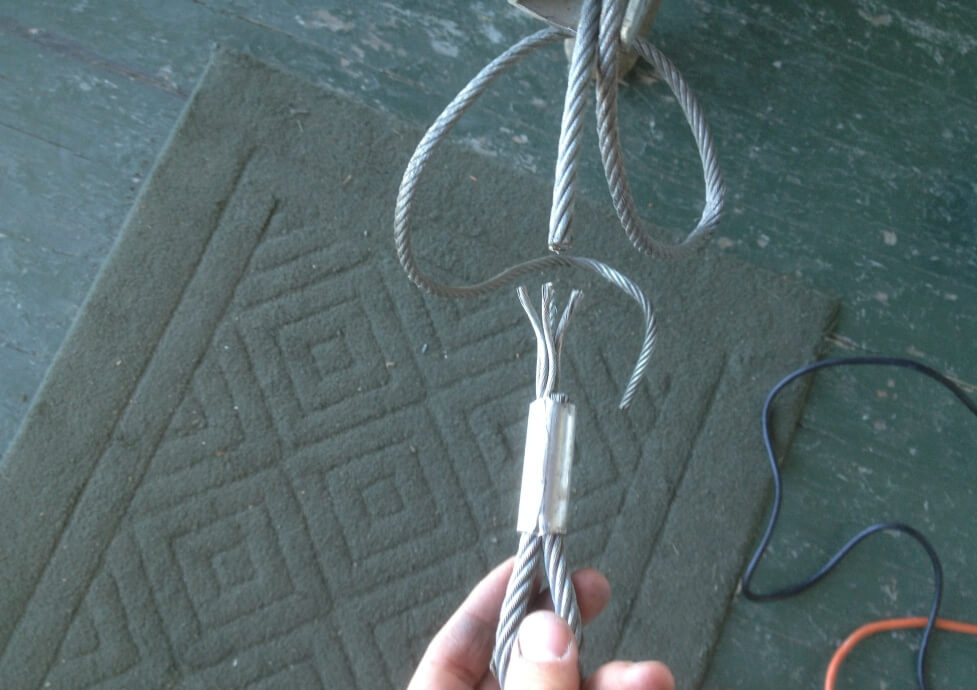
The most evident danger is the snapback of a winch cable. When a winch pulls a heavy load, the cable is under extreme tension.
If this cable breaks, the stored energy is released suddenly and violently. The cable can whip back towards the winch and anyone standing too close, with a force comparable to a slingshot or even a gunshot.
This snapback can cause serious injuries or even be fatal, especially if the cable hits someone directly.
Vehicle Recoil
Another risk is vehicle recoil. When winching, the vehicle being recovered is also under a lot of tension.
If the winching process is abruptly interrupted (like a cable snap), the vehicle can recoil.
This recoil is similar to a sudden release of pressure, causing the vehicle to move unpredictably, which can be dangerous for anyone nearby.
Failure of Hooks and Shackles
The hooks and shackles, which connect the winch cable to the vehicle, are also potential failure points.
These components are under the same extreme tension as the cable. If they fail, they can become high-velocity projectiles, posing a severe risk to anyone in close proximity.
Real-life Incidents
The dangers mentioned are not just theoretical. There have been numerous real-life incidents where individuals have been injured due to not maintaining a safe distance from a winching operation.
These incidents often occur unexpectedly and result in serious consequences, underlining the importance of understanding and respecting the power of winching equipment.
Importance of Safe Distance
Given these risks, maintaining a safe distance during winching operations is not just a precaution but a necessity. Standing far enough away reduces the risk of injury from cable snapback, vehicle recoil, or failure of winching components.
It’s a simple yet effective way to ensure safety during off-road recoveries.
Safe Distance Guidelines
The safe distance guidelines for winching are central for ensuring the safety of everyone involved in a vehicle recovery operation.
The guidelines are based on a simple principle: the farther you are from the winch and its cable during operation, the less likely you are to be injured in case of a malfunction.
Understanding the Minimum Safe Distance
The minimum safe distance is typically set at 1.5 to 2 times the length of the winch cable.
This distance is calculated based on the potential reach of a cable if it were to snap. A snapped cable can recoil with tremendous force and speed, creating a danger zone around it.
By staying at least 1.5 to 2 times the cable’s length away, you place yourself outside of the immediate danger zone.
Practical Examples
- 50-foot Cable: If you’re using a 50-foot winch cable, the safe distance would be between 75 feet (1.5 times the cable length) and 100 feet (2 times the cable length).
- 100-foot Cable: Similarly, with a 100-foot cable, maintain a distance of 150 to 200 feet.
Use of a Safe Distance Chart
Creating a chart that lists various cable lengths and their corresponding safe distances provides a quick and easy reference.
Such a chart can be invaluable, especially in stressful or emergency situations where calculating distances on the spot can be challenging.
Factors Influencing Safe Distance
- Winch Capacity: The capacity of the winch affects the tension on the cable. Higher-capacity winches, used for heavier vehicles or more challenging recoveries, can exert more force on the cable, potentially increasing the danger in case of a failure.
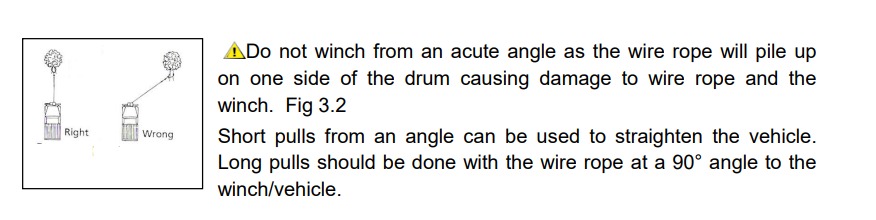
- Recovery Angle: The angle at which the recovery is being performed also plays a role. Certain angles can put more strain on the winch and cable, thereby increasing the potential risk. It’s important to adjust your position accordingly, keeping the recovery angle in mind.
The Importance of Adhering to Guidelines
Adhering to these safe distance guidelines is not just a recommendation; it’s a central safety measure.
The unpredictable nature of winching operations, combined with the significant forces involved, means that even a small oversight can lead to serious accidents.
Therefore, understanding and respecting these guidelines is key to ensuring a safe and successful recovery operation.
Additional Safety Tips
While distance is key, there are other safety measures to consider:
- Wear Protection: Always don protective gloves and eye gear. These can shield you from flying debris or a snapped cable.
- Positioning: Never stand in the direct path of the winch cable. Stand off to the side to minimize risk.
- Anchoring: Use reliable anchoring points. Ensure they’re sturdy enough to handle the winch’s force.
- Communication: Clear communication with your team is central, especially in complex or risky recovery situations.
- Planning: Always have a detailed recovery plan before you start winching. This includes assessing the environment and understanding the capabilities of your equipment.
For safer and more reliable operation, explore our guide to the safest and most reliable winches.
Conclusion
Winching is a powerful tool in vehicle recovery, especially in off-road adventures. However, it’s key to respect the power of the equipment and the inherent risks.
Maintaining a safe distance from the winch, wearing appropriate protective gear, and following best practices for winching can make a significant difference in safety. Always prioritize safety and be prepared before you begin any winching operation.
🔧 Why I Walk the Zone Before Every Pull
Over 12 years of recoveries I’ve seen exactly two cable failures, both with bystanders under 50 ft away. One was a contractor who lost an ear to a flying D-shackle (not the cable — the hardware at the anchor end).
Now before every pull I walk a 150-ft perimeter regardless of line type and make sure nobody crosses it. The extra 30 seconds has saved bystanders more than once.
The 90-second safety walk is the cheapest insurance in the kit.